
Bangalore Metro Expansion: Impact on Real Estate Prices
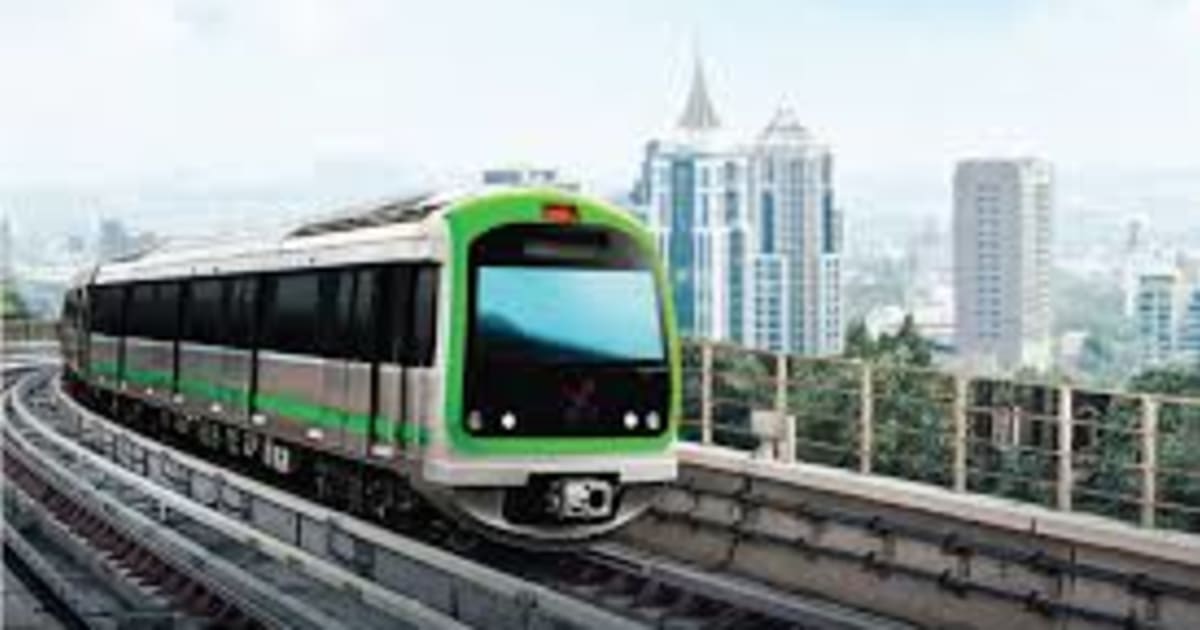
Bangalore has witnessed rapid urban growth over the past decade, driven by its strong IT ecosystem and expanding population. One of the most significant infrastructure developments shaping the city is the metro network. The Bangalore Metro Expansion Impact on Real Estate Prices has become a key discussion point among homebuyers and investors alike.
As the Namma Metro continues expanding into new corridors in 2026 and beyond, it is reshaping how people live, commute, and invest. Improved connectivity is directly influencing property values across multiple micro-markets in the city.
Overview of Bangalore Metro Expansion (Namma Metro)
The Namma Metro network has evolved from a limited urban transit system into a large-scale infrastructure backbone for Bangalore.
Key Developments:
Phase 1: Connected major zones like MG Road, Indiranagar, and Yeshwanthpur
Phase 2: Expansion toward Whitefield, Electronic City, and North Bangalore
Phase 2A: Outer Ring Road (ORR) corridor linking IT hubs
Upcoming Phase 3: Proposed expansion toward peripheral areas
These expansions aim to reduce traffic congestion and improve connectivity across residential and commercial zones.
How Metro Connectivity Influences Real Estate Prices
1. Accessibility and Commute Reduction
Properties near metro stations offer faster and more predictable travel times. Reduced commute stress increases their desirability.
2. Demand-Supply Dynamics
As metro access improves, demand rises in nearby areas. Limited supply in prime zones leads to price appreciation.
3. Buyer and Investor Preferences
Modern buyers prioritize:
Proximity to metro stations
Reduced dependency on private vehicles
Better work-life balance
This shift directly impacts metro connectivity property value trends.
Key Areas Benefiting from Metro Expansion
Several micro-markets are seeing strong growth due to metro expansion:
Whitefield – Major IT hub with improved connectivity
Electronic City – Long-awaited metro access boosting demand
Sarjapur Road – Emerging residential corridor
KR Puram – Key interchange point
Hebbal / North Bangalore – Growth driven by airport connectivity
Metro Impact by Location
Location
Metro Line
Expected Impact on Prices
Whitefield
Purple Line Extension
High appreciation due to IT hub
KR Puram
Interchange (Purple + ORR)
Strong price surge
Electronic City
Yellow Line
Increased demand and absorption
Sarjapur Road
Future Connectivity
Gradual but steady growth
Price Trends Near Metro Corridors (2026 Outlook)
The property prices near metro Bangalore corridors have shown noticeable trends:
Pre-metro phase: Moderate pricing due to limited connectivity
Under construction phase: Speculative price growth
Post-completion phase: Significant appreciation
Key Observations:
Properties within 500m–1km of stations command premium prices
Rental demand increases by 15–30% in metro-connected areas
Faster resale value growth compared to non-metro zones
Infrastructure Developments Supporting Metro Growth
Metro expansion does not operate in isolation. It is supported by broader infrastructure upgrades:
Road Improvements: Flyovers, signal-free corridors
Feeder Systems: Bus connectivity and last-mile solutions
Commercial Growth: Offices, malls, and retail hubs near stations
Transit-Oriented Development (TOD): High-density projects near metro corridors
These factors collectively enhance the infrastructure impact on real estate.
Types of Properties Benefiting the Most
1. Apartments Near Metro Stations
High demand from working professionals
Better rental yields
2. Plots in Emerging Corridors
Long-term appreciation potential
Ideal for future development
3. Commercial Spaces and Retail Hubs
Increased footfall
Higher leasing demand
Pros and Cons of Investing Near Metro Corridors
Pros
Higher appreciation potential
Strong rental demand
Improved connectivity and livability
Cons
Higher entry prices in developed areas
Short-term construction disturbances
Possible congestion near major stations
Comparison with Non-Metro Areas
Factor
Metro-Connected Areas
Non-Metro Areas
Price Growth
Faster
Slower
Demand
High
Moderate
Rental Yield
Strong
Limited
Long-Term Potential
High
Depends on future infra
Metro connectivity clearly gives a competitive advantage in terms of both demand and value appreciation.
Key Factors to Consider Before Investing
Before investing in metro-influenced properties, consider:
Distance from Station: Ideal range is 500m to 1km
Legal Approvals: Ensure proper documentation
Future Infrastructure Plans: Upcoming roads, commercial hubs
Budget vs ROI: Balance affordability with long-term gains
Future Outlook of Bangalore Real Estate with Metro Expansion
The future of Bangalore real estate growth is closely tied to metro expansion.
Key Trends:
Growth of suburban micro-markets like North Bangalore and East Bangalore
Increased demand for integrated townships near metro lines
Rise of rental housing in metro corridors
As metro phases continue to expand, even previously overlooked areas are expected to see steady development.
Conclusion
The Bangalore Metro Expansion Impact on Real Estate Prices is both significant and long-term. Improved connectivity is transforming how people choose homes and how investors evaluate opportunities.
Metro expansion not only increases accessibility but also drives demand, enhances infrastructure, and boosts property values. While there are short-term challenges, the long-term outlook remains positive, especially for well-located properties near metro corridors.