
East Bangalore
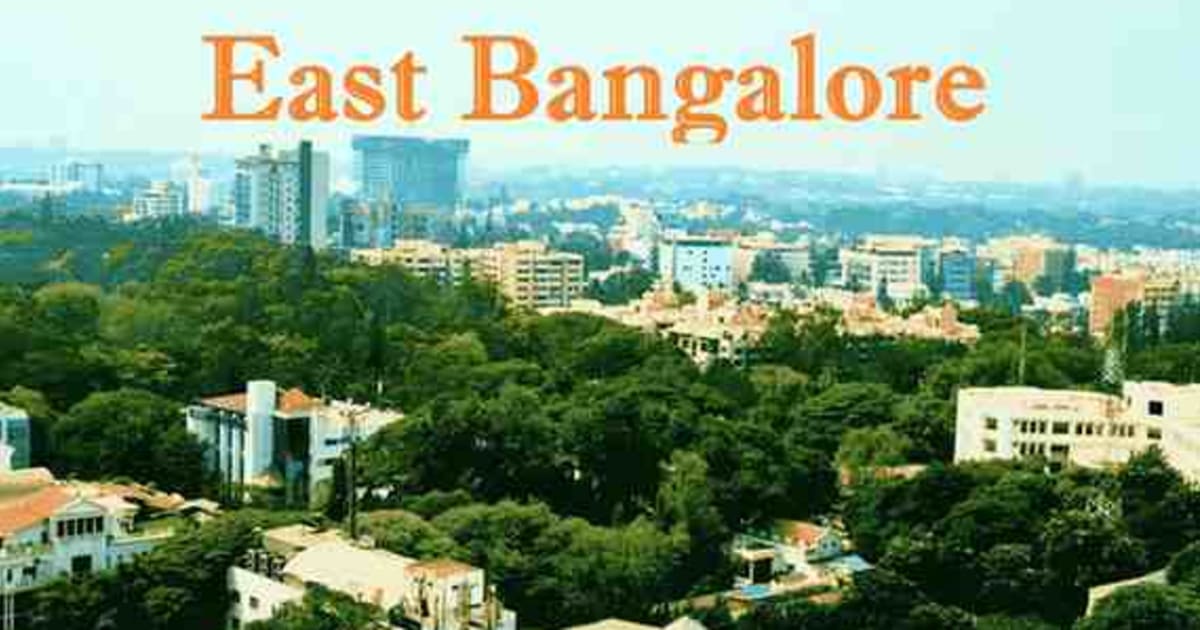
East Bangalore has emerged as one of the most dynamic and rapidly evolving regions in the city. Once considered a peripheral zone, it is now a major hub for IT, residential development, and infrastructure expansion. The transformation of East Bangalore is closely linked to economic growth, improved connectivity, and urban planning initiatives.
Today, this region plays a critical role in shaping Bangalore’s future, attracting both homebuyers and businesses due to its strategic advantages and long-term potential.
Understanding the Geography of East Bangalore
East Bangalore covers a wide stretch of areas including Whitefield, KR Puram, Marathahalli, Varthur, Hoskote, and Budigere Cross. These locations form a continuous growth corridor extending toward the outskirts of the city.
Key Geographic Advantages
Proximity to major IT parks and employment hubs
Access to arterial roads like Outer Ring Road and Old Madras Road
Connectivity to highways such as NH-75
Expansion toward planned suburban zones
This geographic positioning makes East Bangalore a key link between the city center and emerging peripheral areas.
Evolution of East Bangalore as an IT Hub
The rise of East Bangalore is strongly driven by its IT ecosystem. Whitefield, in particular, has been a major contributor to this transformation.
Key Growth Drivers
Establishment of IT parks and tech campuses
Presence of multinational companies
Continuous expansion of office spaces
Demand for housing near workplaces
The concentration of employment opportunities has led to a steady increase in population and housing demand.
Infrastructure Development in East Bangalore
Infrastructure plays a central role in shaping the growth of East Bangalore. Over the years, several developments have improved connectivity and livability.
Road Infrastructure
Widening of key roads and junction improvements
Development of signal-free corridors
Enhanced connectivity via Outer Ring Road
Metro Connectivity
Expansion of metro lines toward Whitefield
Improved access to public transport
Reduced dependence on road travel
Upcoming Projects
Peripheral Ring Road (PRR)
Suburban rail integration
Expansion of highway networks
These developments are expected to further strengthen East Bangalore’s connectivity.
Residential Real Estate Trends
East Bangalore has become one of the most active residential markets in the city.
Key Observations
High demand for apartments near IT hubs
Growth of gated communities and townships
Increasing popularity of plotted developments in peripheral areas
Areas like Whitefield and KR Puram are well-developed, while Hoskote and Budigere Cross are emerging as future growth zones.
Commercial and Economic Activity
East Bangalore is not just a residential hub; it is also a major economic center.
Key Highlights
Growth of office spaces in Whitefield and Outer Ring Road
Expansion of retail and commercial complexes
Rising demand for co-working spaces
This economic activity supports job creation and strengthens the region’s overall growth.
Social Infrastructure and Livability
The livability of East Bangalore has improved significantly due to the development of social infrastructure.
Key Facilities
Schools, colleges, and educational institutions
Hospitals and healthcare centers
Shopping malls, restaurants, and entertainment hubs
While core areas are well-developed, some peripheral zones are still catching up.
Comparative Overview of Key Areas in East Bangalore
The table below provides a comparison of major locations within East Bangalore.
AreaConnectivity LevelDevelopment StagePrice Range (₹/sq ft)Key FeatureWhitefieldHighDeveloped6,000 – 10,000IT hub and metro accessKR PuramHighDeveloped4,500 – 7,500Transport connectivityMarathahalliHighDeveloped5,500 – 8,500Strategic junctionVarthurModerateDeveloping4,000 – 6,500Affordable housingBudigere CrossModerateEmerging3,500 – 6,000Growth potentialHoskoteModerateEmerging3,000 – 5,500Affordable land availability
Note: Prices are indicative and may vary depending on project type and location.
Advantages of Living in East Bangalore
1. Proximity to Employment Hubs
Residents benefit from shorter commute times due to the presence of IT parks and business centers.
2. Strong Infrastructure Growth
Ongoing infrastructure projects continue to improve connectivity and livability.
3. Diverse Housing Options
From premium apartments to affordable plots, East Bangalore offers a wide range of choices.
4. Long-Term Investment Potential
The region’s continuous development supports steady property value appreciation.
Challenges and Limitations
Despite its growth, East Bangalore faces certain challenges.
Key Concerns
Traffic congestion in busy areas like Whitefield and Marathahalli
Infrastructure gaps in developing zones
Dependence on future projects for full connectivity
Addressing these issues will be crucial for sustainable growth.
Future Outlook of East Bangalore
The future of East Bangalore looks promising as the city continues to expand eastward.
Expected Trends
Growth of new residential clusters beyond current hotspots
Increased metro and transport connectivity
Expansion of commercial and industrial zones
As infrastructure improves, East Bangalore is likely to become even more integrated with the rest of the city.