
East Bangalore Infrastructure Development Updates
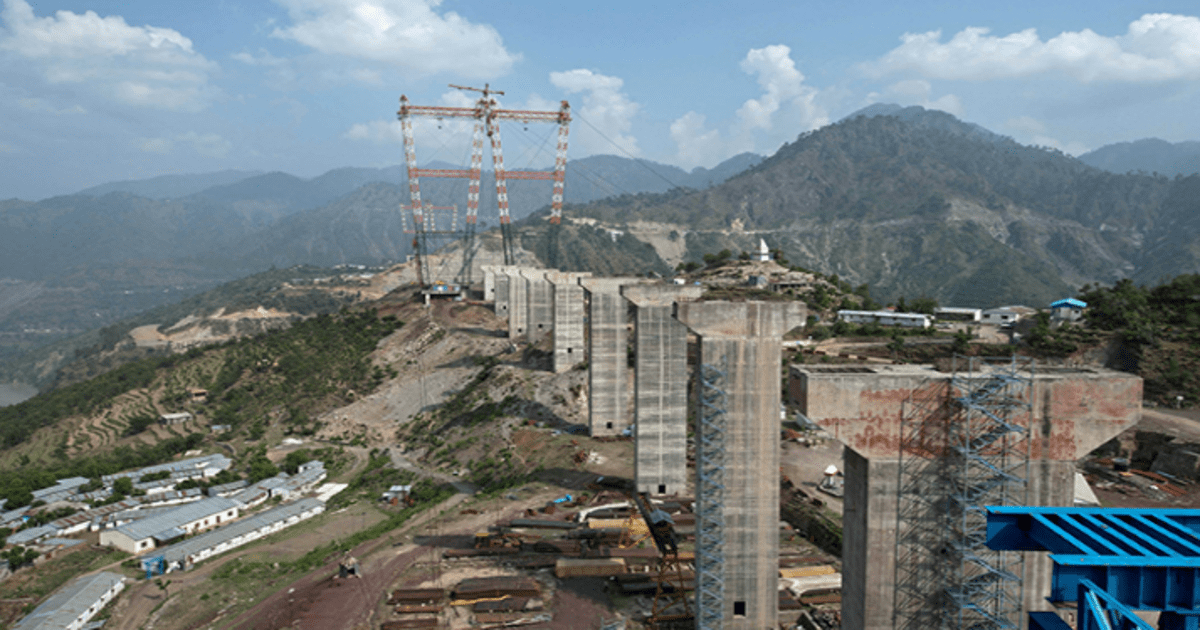
The pace of East Bangalore Infrastructure Development Updates reflects how rapidly this region is transforming into a key urban growth zone. Over the past few years, East Bangalore has moved beyond being just an IT hub and is now witnessing large-scale improvements in connectivity, transport systems, and civic infrastructure.
Driven by the expansion of Whitefield and nearby employment corridors, infrastructure development has become essential to support rising population density. These updates are not only improving daily commuting but also shaping long-term residential and commercial growth patterns.
Why Infrastructure Development in East Bangalore Matters
Infrastructure is a primary driver of urban expansion. In East Bangalore, it directly impacts real estate demand, commute efficiency, and overall livability.
Key Reasons for Focus on Infrastructure
Increasing workforce in IT and industrial zones
Rising demand for residential housing
Traffic congestion in existing road networks
Expansion of city limits toward peripheral areas
These factors have accelerated government and private investments in infrastructure projects.
Major Road Infrastructure Developments
Road expansion and connectivity upgrades form a significant part of East Bangalore Infrastructure Development Updates.
Highway and Arterial Road Improvements
Widening of Old Madras Road to ease congestion
Upgrades along NH-75 connecting Bangalore to Hoskote
Development of signal-free corridors in key junctions
These improvements are designed to reduce travel time and support smoother traffic flow.
Peripheral Ring Road (PRR)
The proposed Peripheral Ring Road aims to connect major highways around Bangalore, including eastern zones.
Expected Impact
Reduced congestion on inner city roads
Faster connectivity between suburbs
Improved logistics and goods movement
PRR is expected to play a crucial role in integrating East Bangalore with other parts of the city.
Metro Connectivity Expansion
Metro expansion is one of the most impactful components of East Bangalore Infrastructure Development Updates.
Purple Line Extension to Whitefield
The extension of the metro line to Whitefield has significantly improved public transport accessibility.
Key Benefits
Reduced dependency on road transport
Predictable commute times
Increased demand for properties near metro stations
Future Metro Plans
Proposed extensions toward peripheral areas
Improved last-mile connectivity through feeder systems
Metro connectivity is expected to redefine commuting patterns across East Bangalore.
Railway and Transit Developments
Railway infrastructure also contributes to connectivity improvements in the region.
Key Upgrades
Enhanced capacity at KR Puram railway station
Integration with metro and road transport
Better suburban rail connectivity
These developments provide alternative commuting options, especially for long-distance travelers.
Industrial and Economic Infrastructure
East Bangalore is not just residential—it is also a major economic zone. Infrastructure development is closely tied to industrial growth.
Growth of Industrial Corridors
Expansion of logistics parks along NH-75
Development of manufacturing hubs near Hoskote
Increased warehousing demand
This economic activity creates employment opportunities, which further drives housing demand.
Social Infrastructure Improvements
Social infrastructure is a critical part of East Bangalore Infrastructure Development Updates, as it directly affects quality of life.
Key Developments
New schools and educational institutions
Expansion of healthcare facilities
Growth of retail and entertainment centers
While core areas like Whitefield are well-developed, peripheral zones are gradually catching up.
Comparative Overview of Key Infrastructure Projects
The table below summarizes major infrastructure developments and their impact.
Infrastructure Project
Status
Key Areas Impacted
Expected Benefit
Metro Purple Line Extension
Operational
Whitefield, Hoodi
Faster public transport
Peripheral Ring Road (PRR)
Proposed
Outer East Bangalore
Reduced congestion
NH-75 Expansion
Ongoing
Hoskote, KR Puram
Improved highway connectivity
Road Widening Projects
Ongoing
Major junctions
Smoother traffic flow
Suburban Rail Improvements
Developing
KR Puram
Better regional connectivity
Note: Project timelines may vary based on execution phases.
Impact on Real Estate Trends
Infrastructure development has a direct influence on property markets in East Bangalore.
Key Observations
Rising demand for homes near metro stations
Increased interest in plotted developments along highways
Growth of residential townships in peripheral areas
Areas like Hoskote, Budigere Cross, and Varthur are benefiting from these developments.
Challenges in Infrastructure Development
Despite significant progress, there are challenges that affect the pace and efficiency of development.
Common Issues
Delays in project completion
Traffic congestion during construction phases
Coordination between multiple authorities
Addressing these challenges is essential for ensuring long-term benefits.
Future Outlook of East Bangalore Infrastructure
The future of East Bangalore Infrastructure Development Updates looks promising due to ongoing investments and planned projects.
Expected Trends
Expansion of metro networks into deeper suburban areas
Completion of major road projects like PRR
Growth of integrated townships supported by infrastructure
As these developments progress, East Bangalore is expected to become one of the most well-connected regions in the city.
Conclusion
The ongoing East Bangalore Infrastructure Development Updates highlight a region undergoing rapid transformation. With improvements in roads, metro connectivity, and social infrastructure, East Bangalore is becoming more accessible and livable.
While some challenges remain, the long-term outlook is positive. Infrastructure development will continue to play a crucial role in shaping residential demand, economic growth, and overall urban expansion in this part of Bangalore.